Have you ever found yourself overthinking a text message that didn’t get an immediate reply? Or maybe you’ve felt like you cared more in a relationship than the other person did, and that feeling alone triggered a spiral of anxiety and self-doubt?

If that sounds familiar, you might be dealing with anxious attachment—a common (and totally human) way of relating to others that’s rooted in early emotional experiences.
Let’s break it down.
What Is Anxious Attachment?
Anxious attachment is one of the attachment styles described in attachment theory—a framework that explains how we form emotional bonds with others. People with an anxious attachment style often crave closeness and reassurance in relationships, but also fear being abandoned or not being enough.
This attachment style usually develops in childhood when a caregiver was inconsistently available—sometimes loving, sometimes distant. As a result, the child learns to stay hyper-alert and clingy, always scanning for signs of disconnection to avoid being hurt.
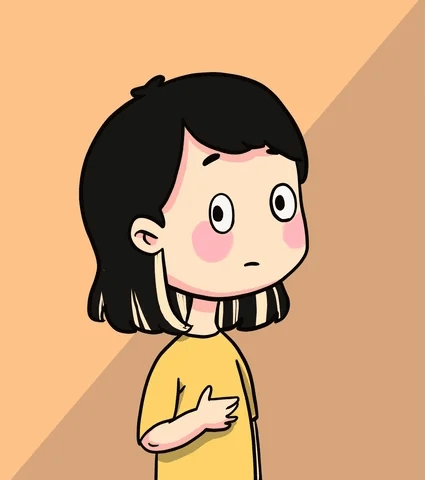
It’s Not “Needy”—It’s a Nervous System Response
Let’s get one thing straight: anxious attachment isn’t about being “too much.” It’s your body and mind trying to protect you. You’re scanning for emotional safety, which can come across as clinginess, but it’s really about wanting to feel secure and connected.
What It Looks Like in Adult Relationships
How It Shows Up in Relationships
- You may over-give in hopes that your partner will stay.
- You might panic at signs of distance (even imagined ones).
- You may stay in unhealthy dynamics just to avoid being alone.
- You often feel like you’re “too sensitive” or “overthinking everything.”
It’s exhausting, right?
- Overanalyzing your partner’s behavior (“They didn’t say I love you today—are they mad?”)
- Constantly seeking reassurance (“Do you still love me?”)
- Feeling deeply hurt by small signs of distance
- Struggling to trust that your partner won’t leave
- Feeling like you need to earn love to be safe
It’s exhausting. And you’re not crazy. You’re not “too much.” You’re responding to a deep emotional wound that deserves compassion—not shame.

Where Healing Begins
The good news? You can absolutely shift this pattern. It takes time, but healing is 100% possible. Healing anxious attachment doesn’t mean you stop craving love or closeness. It means learning to give yourself what you’ve always needed: safety, reassurance, and self-worth.
So… How Do You Heal?
Here are a few ways to start:
Awareness Is Everything
Notice your triggers. Journal about what sets off your anxiety in relationships. The more you can name it, the less it controls you. Regulate your nervous system: Breathwork, journaling, meditation—find what grounds you when anxiety strikes.
- Reparent Yourself
Anxious attachment often stems from unmet needs in childhood. Practice giving yourself the love, validation, and soothing you didn’t get back then. - Communicate Clearly (and Gently)
Instead of reacting out of fear, practice saying things like: “When I don’t hear from you, I feel anxious. I know it’s my stuff, but I just want to be honest about how I’m feeling.” - Find Safe Connections
Not everyone is equipped to love you the way you need, and that’s okay. Surround yourself with people who see you, who make you feel safe and valued. This could be friends, a therapist, or even a support group. - Be Kind to Yourself
Set boundaries (with yourself too): Learn to pause before reacting. Ask: “Is this about now, or is it touching an old wound?” Healing anxious attachment is not about becoming “perfect” or never feeling anxious again. It’s about learning to hold space for your emotions without letting them control your actions.
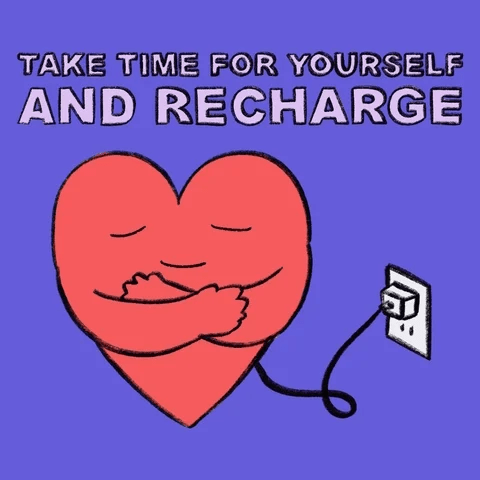
Remember This…
You’re not broken. You’re not too much. You’re someone who learned to care deeply, sometimes to your own detriment. But love shouldn’t feel like survival. It should feel safe.
Healing anxious attachment is a journey—and the relationship you build with yourself is where it starts.
Quotes to Add Comfort, Insight & Empowerment
1. “The opposite of anxious attachment isn’t detachment—it’s secure connection.”
— Unknown
2. “Anxious attachment isn’t a flaw. It’s a response to inconsistent love. And it can be healed with consistent self-compassion.”
— Inspired by attachment theory
3. “You’re not too much. You’re just craving what you were always meant to receive: safety, presence, and love.”
— @the.holistic.psychologist (Dr. Nicole LePera)
4. “If you’re always the one holding on tightly, maybe it’s time to ask: why am I afraid of letting go?”
— Unknown
5. “Healing begins when you stop chasing people who make you question your worth.”
— Sylvester McNutt III
6. “Anxious attachment teaches you to abandon yourself to keep others. Healing teaches you to return to yourself, no matter who stays.”
— @lisaoliveratherapy
7. “You don’t need to earn love. You are loveable just by being you.”
— Thich Nhat Hanh
8. “Relationships should calm your nervous system, not activate your anxiety.”
— Vienna Pharaon (@mindfulmft)
9. “Healing doesn’t mean the anxiety disappears. It means you learn how to care for it instead of letting it control you.”
Closing Thoughts: You Are Not Your Attachment Style
Healing anxious attachment isn’t about fixing yourself—it’s about finding your way back to yourself. The version of you that feels safe, grounded, and deeply worthy of love already exists beneath the fear and old patterns.
You’re not too sensitive. You’re not asking for too much. You’re just learning what you truly deserve—and that’s beautiful, brave work.
So be kind to yourself in the process. Keep choosing peace over panic. Keep choosing growth over guilt. One breath, one boundary, one breakthrough at a time—you’re rewriting your story. And it’s one worth reading.
You’ve got this. 💛
Don’t forget to like, comment, follow, and share.
Until next time💋.

 Life Lessons with Leesh
Leave a comment