Ever wonder why some people feel so comfortable in love, while others chase it, avoid it, or get stuck in a cycle of both? That’s attachment at work.
Attachment styles are the blueprints we subconsciously follow when forming relationships. They’re shaped by how we experienced love, attention, and safety in childhood—and they show up in how we love today.
Here’s a breakdown of the four main attachment styles and what they might look like in real life:
🌱 1. Secure Attachment:
Love Without the Chaos
Core belief: “I am worthy of love, and I trust others to love me too.” “I can depend on others, and others can depend on me.”
People with secure attachment have a deep inner knowing that they are worthy of love—and that love doesn’t require proving or chasing. They can enjoy intimacy without losing themselves, and independence without pushing people away.
They usually:
- Had caregivers who were emotionally available and attuned.
- Express their needs without guilt.
- Handle conflict directly and calmly.
- Trust love, even when it’s quiet or slow.

Real life example:
Taylor is okay when their partner is busy or needs space. They trust the connection is still there. They know love doesn’t vanish with silence.
In love: Securely attached people are open-hearted, resilient, and emotionally grounded. Love feels safe, not like a test. They know how to give and receive love without losing themselves.
🌱Quote to reflect: “You don’t have to chase what’s meant to feel safe. Healthy love won’t make you question your worth.”
🔥 2. Anxious Attachment:
The Constant Worrier
Core belief: “I have to work hard to be loved. People always leave.” “Love feels good… but also kind of terrifying. Please don’t leave me.”
Anxiously attached people crave connection—but often fear that it’s fleeting. They may become hyper-aware of their partner’s moods, texts, tone shifts, or distance. They tend to personalize everything, often believing they’ve done something wrong.
They often:
- Overthink, replay conversations, or panic if someone pulls back.
- Seek constant reassurance (“Are you mad at me?”).
- Attach quickly, even when red flags are present.
- Feel emotionally overwhelmed by perceived rejection.

Real life example:
When Jamie’s partner doesn’t reply right away, their mind spirals: “Did I say something wrong? Are they losing interest? Should I text again?”
In love: There’s intensity, deep devotion—but also anxiety, emotional highs and lows, and difficulty trusting stability.
🔥Quote to reflect: “You’re not too much. You were just taught love was something you had to earn.”
🧊 3. Avoidant Attachment:
The Lone Wolf
Core belief: “I can’t rely on others, so I’ll just rely on myself.” “Depending on people is dangerous. I’m better off on my own.”
Avoidantly attached people value their independence so fiercely that closeness can feel like a threat. Emotional intimacy can trigger discomfort or even fear. They tend to shut down when things get too vulnerable.
They often:
- Keep people at arm’s length.
- Feel overwhelmed by emotional demands.
- Downplay or dismiss their own needs.
- Struggle with long-term emotional availability.
- Had emotionally unavailable caregivers.
- Struggle with vulnerability.
- Feel smothered by too much closeness.
- Pull away when someone gets “too close.”

Real life example:
Alex feels smothered if someone gets “too close.” When a partner wants to talk about the relationship, they suddenly get distant or disappear for days.
In love: Love feels like pressure. Vulnerability feels unsafe. So they choose emotional distance, even when they long for connection.
🧊 Quote to reflect: “The walls you built to protect yourself became the cage that kept love out.”
⚡️ 4. Disorganized Attachment:
Love Feels Like Danger
Core belief: “I want love—but I don’t trust it.” “I want love, but it always hurts.”
Disorganized attachment (also called fearful-avoidant) is often rooted in trauma. It’s a mix of anxious and avoidant patterns, meaning a person may crave closeness and fear it at the same time. They may swing between clinginess and withdrawal, often feeling confused about their own reactions.
They often:
- Want deep connection but don’t trust it.
- Feel emotionally unsafe, even in loving relationships.
- Engage in push-pull dynamics: “Come close… now stay back.”
- Struggle to regulate emotions and responses.
- Swing between clingy and distant.
- Experience intense fear of rejection and fear of intimacy.
- Get stuck in toxic or chaotic relationships.

Real life example:
Riley falls hard—but when someone loves them back, they start to panic. “What if they betray me?” “What if I mess it up?” So they pull away… and then feel devastated when the other person does the same.
In love: It’s chaos, fear, longing, and emotional exhaustion all wrapped into one. Disorganized attachment often mirrors what it felt like to love someone unpredictable or unsafe in childhood.
⚡️ Quote to reflect: “You’re not broken—you were taught love and pain were the same thing.”
✨ Can Attachment Styles Change?
Yes. 100% yes.
Attachment styles are learned responses—not life sentences. You can relearn safety. You can create new patterns. And most importantly, you can become a secure base for yourself.
It starts with:
- Awareness (which you’re doing right now 🙌🏽.)
- Compassion for where you’ve been.
- Choosing new responses, even when your nervous system is begging for the old ones.
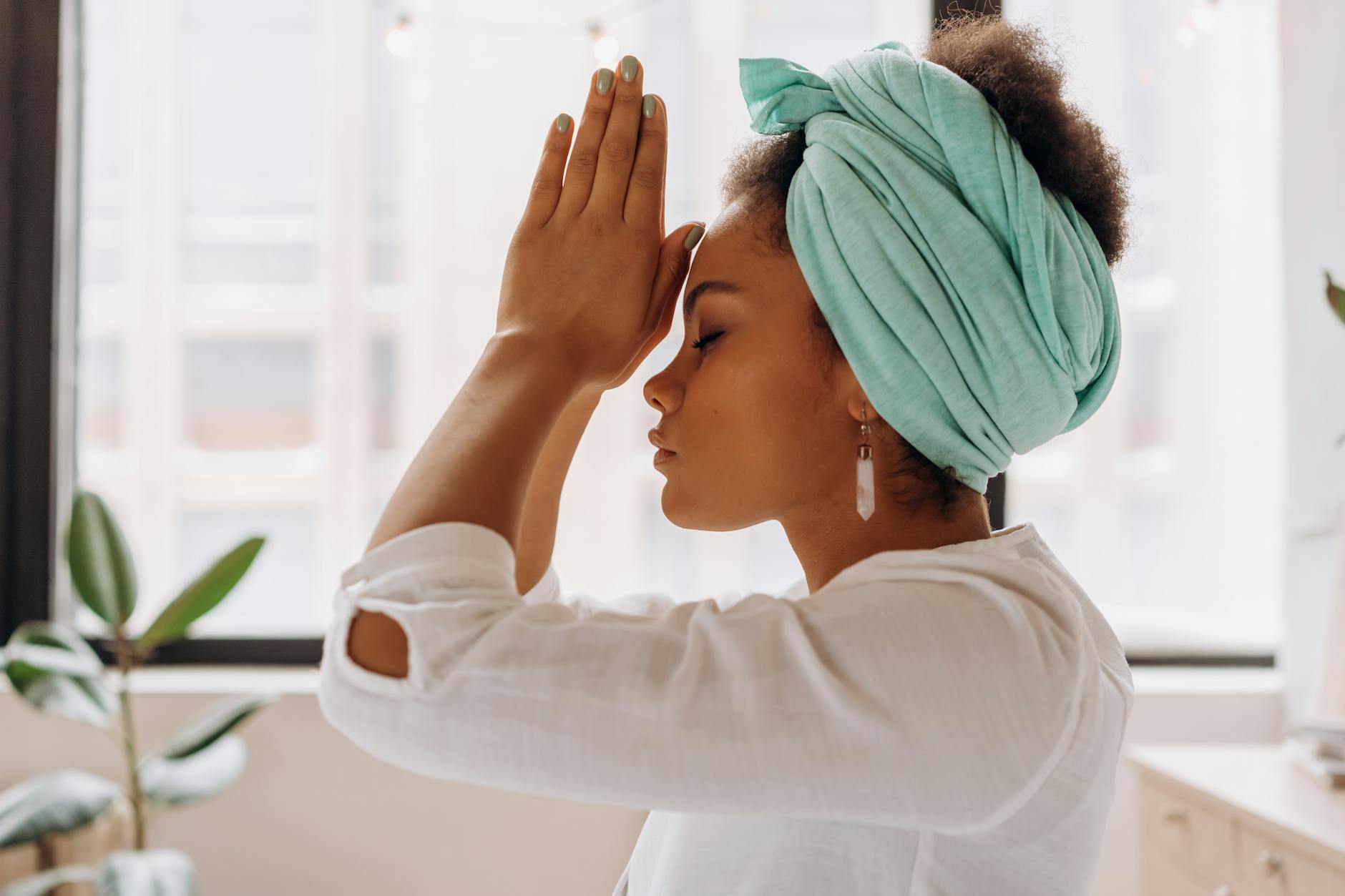
Healing might be messy. But it’s also beautiful.
🌟 Final Thoughts:
Everyone carries a story—usually written before we knew how to read it. But the good news is: you can rewrite it.

Healing your attachment wounds isn’t about being perfect in relationships. It’s about getting real with yourself, creating emotional safety, and showing up with love, not fear. You’re not broken. You’re learning.
Below I’ve listed ten beautiful, powerful, and uplifting quotes to help you along your journey.
- “Your attachment style is a reflection of your past—not a prediction of your future.”
- “You can rewrite the story your nervous system keeps telling. One safe choice at a time.”
- “Healing isn’t about being perfect in love—it’s about feeling safe enough to stay, even when it’s hard.”
- “You are allowed to outgrow the fear that once protected you.”
- “Sometimes love didn’t show up the way you needed. That doesn’t mean you’re unworthy of it now.”
- “You don’t have to chase what’s meant to feel steady.”
- “Your triggers aren’t your truth. They’re just echoes of a wound that’s ready to be seen.”
- “The way you used to survive love doesn’t have to be the way you receive it now.”
- “You’re not needy—you’re noticing where your heart has been hungry.”
- “Loving yourself through your healing is the most courageous relationship you’ll ever have.”
If you’re on a healing journey—learning your patterns, loving yourself deeper, and choosing peace over panic—this song is for you.
Your worth was never up for debate. You don’t have to chase love to deserve it. You already are love.
Don’t forget to like, comment, follow, and share. Until next time.. stay bless.. stay positive, and don’t forget to shine your light. –Leesh



 Life Lessons with Leesh
Leave a reply to Kevin is not a metaphor Cancel reply